Overview and Key Facts
| Attribute | Detail |
|---|---|
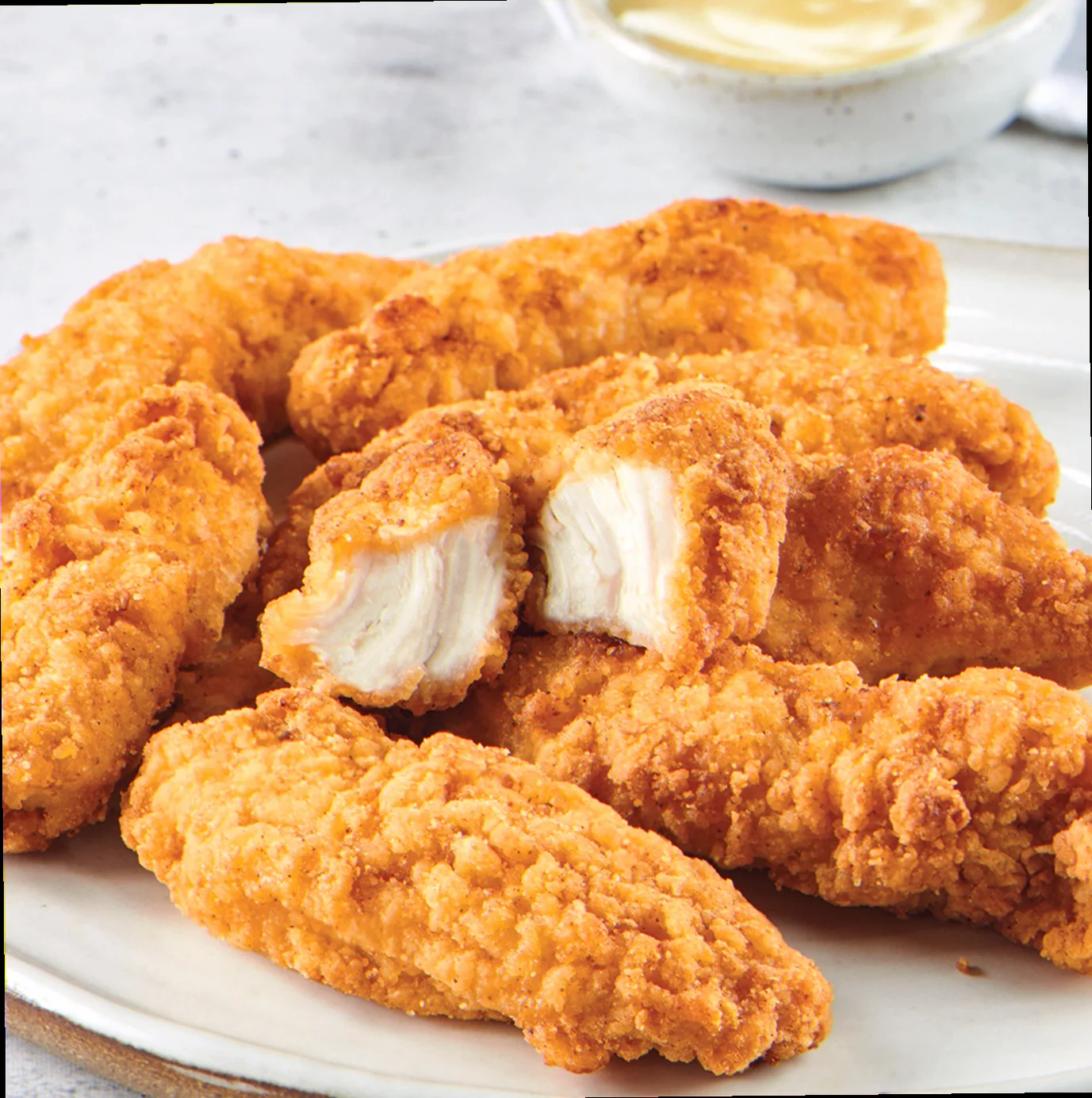
| What it is | Boneless, skinless chicken breast meat cut into uniform strips, typically for faster cooking and easier consumption. |
| Australian relevance | Widely available in all major Australian supermarkets (e.g., Woolworths, Coles) and butcheries, and a common ingredient in Australian cuisine, from pub meals to home cooking. |
| Key statistic | Chicken is the most consumed meat in Australia, with per capita consumption reaching an average of 47.8 kilograms per person in 2022-23, a significant portion of which is likely attributed to versatile cuts like breast strips. |
| Governing body / regulation | Food Standards Australia New Zealand (FSANZ) sets national food safety standards, including those for poultry production and labelling, ensuring quality and safety for Australian consumers. |
| Best known for | Convenience and versatility in a wide array of dishes. |
How It Works / What to Know
Chicken breast strips are fundamentally about efficiency and adaptability in the kitchen. The process involves taking whole chicken breasts, removing the bone and skin, and then uniformly slicing the meat into manageable strips. This preparation allows for significantly reduced cooking times compared to whole breasts, making them ideal for stir-fries, wraps, skewers, and quick pan-frying. In Australia, you'll often find these strips either sold pre-packaged in the chilled or frozen sections of supermarkets, or you can easily create them yourself by purchasing whole chicken breasts from your local butcher, such as those found in the renowned poultry regions of Victoria or Queensland. A surprisingly insightful aspect for many Australians is the sheer variety of chicken breast products available; beyond plain strips, many retailers offer marinated or seasoned versions, catering to diverse flavour preferences, from classic lemon and herb to more adventurous peri-peri or satay marinades. This pre-seasoning is a significant timesaver for busy households and reflects a growing trend in the Australian food market towards convenience-focused products.
Australian Context and Regional Differences
- National picture: Across Australia, chicken breast strips are a ubiquitous protein source. Their popularity transcends geographical boundaries, forming a core component of the Australian diet, irrespective of whether one lives in a bustling capital city or a remote outback town. The demand is consistently high, driven by their affordability and dietary appeal.
- State / territory differences: While the product itself remains consistent, regional preferences in flavour profiles for pre-marinated strips can emerge. For instance, Queensland's warmer climate and association with tropical flavours might see a stronger demand for mango or chili-lime marinated strips, while South Australia, with its strong wine and gourmet food culture, might favour more herb-infused or garlic-parmesan variations.
- Urban vs regional: In urban centres like Sydney or Melbourne, the sheer volume of food service outlets and diverse consumer palates means a broader selection of pre-prepared chicken breast strips is often available. In regional and remote Australia, while still widely accessible, the variety might be more limited, with plain or standard marinated options being the most common. However, local butcheries in regional areas often pride themselves on custom cuts and can readily prepare strips upon request.
- Indigenous Australian perspective: For Indigenous Australians, while chicken breast strips are a modern convenience food, the concept of preparing and sharing poultry is integral to communal eating practices. The ease with which strips can be incorporated into shared meals, such as barbecue gatherings or community events, aligns with traditional values of food sharing and hospitality.
- Seasonal or climate factor: Australia's varied climate subtly influences the consumption of chicken breast strips. During the warmer summer months, especially around Christmas and New Year, there's a surge in demand for barbecue-friendly options like marinated chicken skewers made from strips, or quick grilling recipes. Conversely, during cooler winter months, their use in hearty stews, curries, and baked dishes becomes more prevalent.
Practical Guide for Australians
When purchasing chicken breast strips in Australia, always check the "use-by" or "best-before" dates prominently displayed on packaging, typically found near the top or bottom of the plastic tray. For optimal freshness and safety, aim to purchase them from the chilled section of your preferred supermarket, such as Woolworths, Coles, or Aldi, and transport them home promptly, ideally in an insulated bag, especially during warmer weather. If you're buying from a butcher, don't hesitate to ask for specific thicknesses or lengths of strips if you have a particular recipe in mind; many Australian butchers, like those at the Queen Victoria Market in Melbourne or Flemington Markets in Sydney, are happy to oblige. For home preparation, remember that chicken breast strips cook very quickly. A common pitfall is overcooking, which can lead to dry, tough meat. For stir-fries, aim for just 3-5 minutes of cooking time, ensuring the strips are cooked through but still moist. For grilling, a similar short cooking period is usually sufficient. To ensure food safety, always wash your hands, utensils, and cutting boards thoroughly with hot, soapy water after handling raw chicken. Leftover cooked chicken breast strips should be refrigerated within two hours and consumed within three to four days. If you're looking for inspiration, the websites of major Australian food brands or culinary influencers often feature recipes specifically designed for chicken breast strips, offering a wealth of ideas from simple weeknight meals to more elaborate dishes.
Costs, Access, and Availability in Australia
The cost of chicken breast strips in Australia varies depending on the retailer, brand, and whether they are plain or pre-marinated. Typically, a 500-gram pack of plain chicken breast strips can range from AUD $7 to $10. Pre-marinated options may cost slightly more, often between AUD $8 to $12 for a similar quantity. Major supermarkets like Woolworths and Coles frequently have specials on poultry, so keeping an eye out for these can lead to significant savings. Butcher shops often offer premium quality and may have slightly higher prices, but the freshness and potential for customisation can be well worth it. Access is excellent across the country, with all major supermarkets stocking them. In more remote areas, while the selection might be less varied, availability is generally guaranteed through local grocery stores or smaller independent supermarkets. There are no significant Australian-specific barriers to access; the primary advantage is the widespread availability and competitive pricing driven by a robust domestic poultry industry.
Common Mistakes and Misconceptions
- Misconception 1: That chicken breast strips are inherently dry. The reality is that when cooked correctly and not overdone, chicken breast strips are lean and tender. Dryness usually results from prolonged cooking, not the cut itself.
- Misconception 2: That pre-marinated strips are always healthier or tastier. While convenient, some pre-marinated options can be high in sodium and added sugars. It's always advisable to check the ingredient list and nutritional information.
- Pitfall to avoid: Not thoroughly cooking chicken breast strips, especially when preparing them for children or individuals with compromised immune systems. Given their quick cooking time, it's easy to underestimate the need for thorough cooking. Always ensure the internal temperature reaches 74°C (165°F) to eliminate the risk of foodborne illnesses like salmonella, a critical food safety standard in Australia.
Frequently Asked Questions
Is Chicken brest strips available / relevant across all of Australia?
Yes, chicken breast strips are widely available and relevant across all states and territories of Australia. From the bustling metropolitan centres of Sydney and Melbourne to regional towns and even remote communities, you can find them in most supermarkets and butcher shops. Their popularity as a convenient protein makes them a staple nationwide.
What do Australians need to know before getting started with Chicken brest strips?
Australians should focus on proper food handling and cooking temperatures to ensure safety and optimal taste. Always cook chicken breast strips thoroughly to an internal temperature of 74°C (165°F). Be mindful of cooking times, as they cook very quickly and can become dry if overcooked. Checking "use-by" dates and refrigerating promptly after purchase are also essential practices.
How does Chicken brest strips in Australia compare to other countries?
In Australia, chicken breast strips are renowned for their excellent quality and consistent availability, largely due to the highly regulated and efficient domestic poultry industry. Compared to some other countries, Australian chicken is often perceived as having higher standards of welfare and food safety, with rigorous testing and labelling requirements overseen by bodies like FSANZ. The sheer variety of readily available marinated options also reflects a strong consumer demand for convenient, flavour-packed meal solutions.