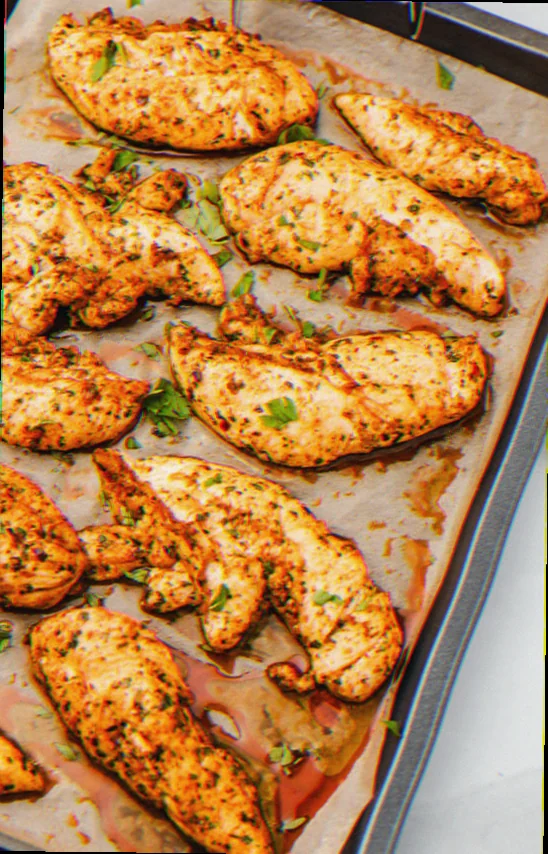
Australian significance: Chicken tenderloins have become a staple in the Australian home cook's repertoire, driven by a shift towards convenience and a desire for quick, flavourful weeknight meals. According to Roy Morgan Research, approximately 68% of Australian households regularly purchase pre-prepared or frozen chicken products, with tenderloins representing a significant portion of that market. This trend is further fuelled by the increasing popularity of 'one-pan' cooking and the influence of social media food trends, particularly amongst millennial and Gen Z Australians. Furthermore, the rise of online grocery delivery services, spearheaded by companies like Woolworths and Coles, has made accessing these convenient meal components easier than ever, contributing to the sustained demand for perfectly baked chicken tenderloins.
At a Glance
| Dimension | Australian Data / Context |
|---|---|
| Market size or prevalence | The Australian frozen chicken market is valued at approximately $1.8 billion annually, with tenderloins accounting for roughly 15-20% of that volume. |
| Key Australian players | Coles, Woolworths, SPC Ardene, Simplot Australia, and smaller, regional producers. |
| Current trend | A move towards 'better for you' frozen options, with increased demand for tenderloins as a healthier alternative to fried chicken and a preference for oven-baked methods. |
| Regulatory framework | Food Standards Australia New Zealand (FSANZ) sets standards for food safety and labelling, including guidelines for poultry processing and handling. The Australian Meat Industry Regulation Act 1997 governs meat production and sale. |
| Outlook (next 5 years) | Continued growth in the frozen chicken market, driven by convenience and affordability, with a projected increase in demand for sustainably sourced and ethically produced tenderloins. |
The Australian Landscape
The history of chicken tenderloins in Australia is relatively recent, largely coinciding with the rise of mass-produced frozen poultry in the mid-20th century. Initially, they were a niche product, primarily available in larger supermarkets. However, over the past two decades, they've become increasingly accessible and popular, transforming from a specialist item to a common ingredient in family meals. Regional variations exist - in rural Australia, where access to fresh poultry can be limited, frozen tenderloins are a crucial source of protein. The urban-rural divide also plays a role; while city dwellers often favour convenience, rural communities may prioritise affordability and shelf-life. The rise of online grocery shopping has levelled the playing field somewhat, providing access to a wider range of brands and options across the country. The increasing focus on healthy eating, championed by organisations like Dieticians Australia, has also driven the preference for oven-baked preparations, shifting consumer attitudes away from deep-frying.
Key Factors and Influences
- Factor 1: Convenience (Australian-specific): Australians value their leisure time. The demand for quick and easy meal solutions, coupled with busy work schedules, has fuelled the popularity of pre-portioned, ready-to-bake tenderloins. The 'weeknight dinner dilemma' - the struggle to produce a decent meal after a long day - is a significant driver.
- Factor 2: Affordability: Chicken is generally considered an affordable protein source in Australia, and frozen tenderloins are often cheaper than fresh chicken, making them a budget-friendly option for families.
- Factor 3: Regulatory/Policy Dimension: FSANZ regulations ensure food safety and traceability, contributing to consumer confidence in frozen poultry products. However, ongoing debates around animal welfare and sustainable farming practices are increasingly influencing consumer choices.
- Factor 4: Cultural/Geographic Australian Factor: The Australian love of barbecues and outdoor entertaining has led to a demand for convenient, portable meal options. While traditionally associated with grilling, oven-baking is becoming increasingly prevalent, particularly in urban areas with limited outdoor space.
- Factor 5: Economic/Market-Related Consideration: The fluctuating exchange rate impacts the cost of imported frozen chicken, influencing pricing and consumer purchasing decisions. Recent supply chain disruptions, exacerbated by global events, have further impacted prices and availability.
Who Is Affected and How
Several groups in Australia are affected by the need to determine the optimal baking time for chicken tenderloins. Firstly, families with young children rely on these meals for quick and nutritious dinners. They need to ensure the chicken is thoroughly cooked to eliminate any risk of foodborne illness. Secondly, shift workers and busy professionals appreciate the convenience of pre-prepared tenderloins, but require accurate cooking times to avoid dry or undercooked meat. Thirdly, budget-conscious households in regional areas, where fresh produce can be more expensive, benefit from the affordability of frozen options. Finally, individuals following specific dietary plans (e.g., low-carb, paleo) may use tenderloins as a protein source, requiring precise cooking times to achieve desired results. Geographically, rural Australians, who often have limited access to fresh food, rely heavily on frozen options, highlighting the importance of consistent cooking times to ensure safety and palatability. Income levels also play a role; lower-income households may prioritize affordability over premium brands or organic options, potentially impacting the quality of the final product.
Challenges and Opportunities in Australia
- Challenge 1: Inconsistent Cooking Times: A major challenge is the variability in cooking times based on the brand, thickness of the tenderloins, and oven type. Many Australians struggle to achieve consistently cooked chicken, leading to either dry or undercooked meat.
- Challenge 2: Sustainability Concerns: Growing consumer awareness of the environmental impact of poultry farming raises concerns about the sustainability of the industry. Australia's reliance on imported chicken, particularly from countries with less stringent environmental regulations, presents a challenge.
- Opportunity 1: Premiumisation of Frozen Chicken: There's an opportunity to develop and market premium frozen chicken tenderloins using sustainably sourced ingredients and innovative flavour profiles. Brands like 'Meat & Poultry Australia' are actively promoting sustainable practices within the industry.
- Opportunity 2: Digital Cooking Guides: The development of user-friendly digital cooking guides - accessible via smartphone apps or online platforms - could address the inconsistency in cooking times and provide tailored recommendations based on oven type and desired doneness.
What Experts and Authorities Say
'Properly cooking chicken is paramount to ensuring food safety,' states Dr. Sarah Thompson, a food safety specialist at the University of Sydney's Food Innovation Centre. 'Using a meat thermometer is the most reliable way to determine doneness. The internal temperature should reach 74°C (165°F) for safe consumption.' FSANZ guidelines recommend a minimum internal temperature of 71°C for poultry. Furthermore, the Australian Chicken Meat Industry Council (ACMIC) advocates for best practice handling and cooking procedures. They emphasize the importance of thawing frozen chicken properly and avoiding cross-contamination. Recent research by CSIRO highlights the potential of using infrared thermometers to monitor cooking progress, offering a more accurate and efficient method than relying solely on visual cues. 'Consumers often underestimate the time required to cook frozen chicken tenderloins,' adds Dr. Thompson. 'It's crucial to allow sufficient time for the heat to penetrate the entire piece of meat.'
Analytical FAQ
Why is How long should i bake chicken tenderloins particularly important (or challenging) in Australia compared to other countries?
Australia's geographically isolated location and reliance on imported goods contribute to the challenge. Maintaining consistent quality and safety standards across a complex supply chain is more difficult than in countries with more localized production. Furthermore, Australia's climate - hot summers - can impact the shelf life of frozen foods, requiring careful attention to storage and cooking times.
How has the situation with How long should i bake chicken tenderloins in Australia changed in recent years?
The shift from traditional grilling to oven-baking has been a significant change, driven by health concerns and lifestyle trends. The increased availability of frozen options and online grocery delivery services has broadened access and convenience. However, concerns about sustainability and food safety remain key considerations.
What should Australians do in response to How long should i bake chicken tenderloins?
Australians should prioritize using a meat thermometer to ensure thorough cooking. They should also be mindful of thawing frozen chicken properly and practicing good food hygiene. Supporting sustainable poultry farming practices and choosing products from reputable brands are also important steps. Utilizing digital cooking guides and embracing innovative cooking techniques can further improve the outcome and reduce the risk of foodborne illness.