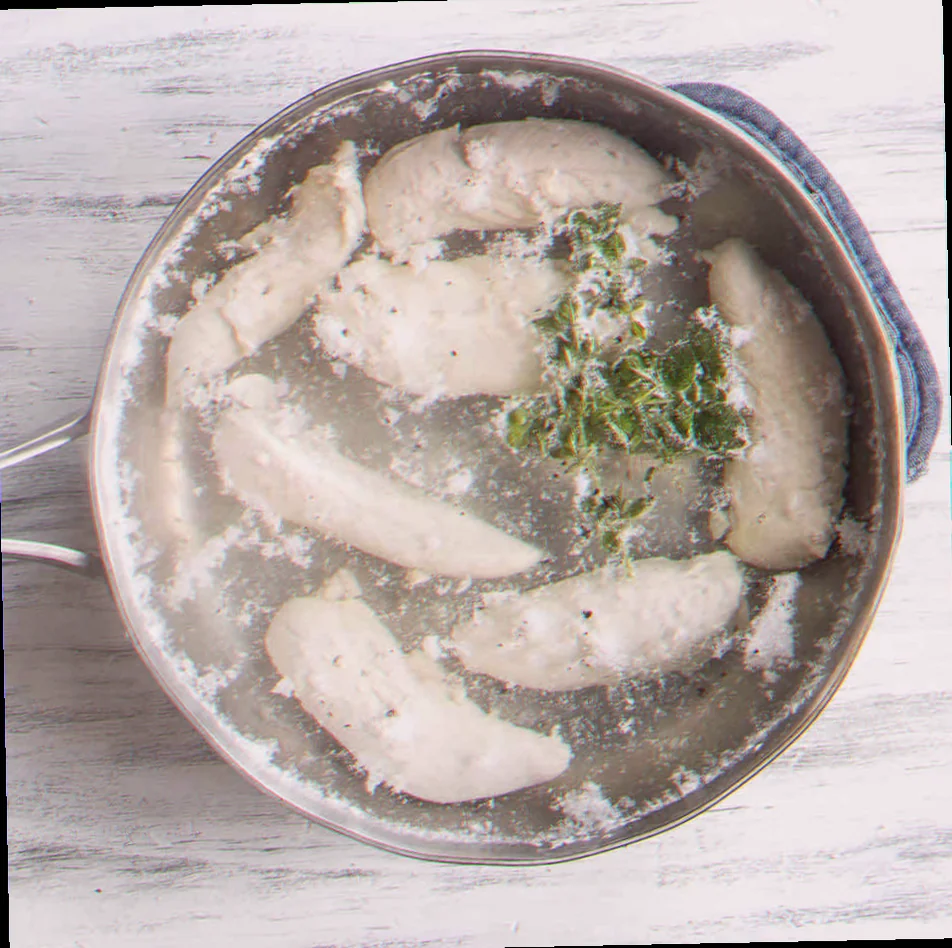
The humble chicken tender, a perennial favourite across Australian households, represents a significant segment of the nation's protein consumption. With the Australian poultry industry valued at over $5 billion annually, the preparation methods for popular cuts like tenders have a tangible impact on both consumer behaviour and food service operations. As Australians increasingly seek convenient, healthy, and budget-friendly meal solutions, understanding the nuances of cooking chicken tenders efficiently and safely, such as through boiling, becomes a recurring culinary concern.
At a Glance
| Dimension | Australian Data / Context |
|---|---|
| Market size or prevalence | The Australian poultry market generates over $5 billion in annual revenue, with chicken tenders being a significant contributor to retail and food service sales. |
| Key Australian players | Major supermarkets (Coles, Woolworths), poultry processors (Inghams, Baiada), and food service outlets are key stakeholders. |
| Current trend | Growing interest in home cooking, convenience meals, and healthier preparation methods. |
| Regulatory framework | Food Standards Australia New Zealand (FSANZ) sets guidelines for food safety, including temperature control for poultry. |
| Outlook (next 5 years) | Continued demand for convenient chicken products, with potential for growth in value-added, pre-prepared options, and a focus on sustainable sourcing. |
The Australian Landscape
The practice of preparing chicken tenders, including boiling, is deeply embedded within the Australian culinary landscape. Historically, boiling might have been perceived as a more basic or utilitarian method, often associated with making stock or tenderising tougher cuts. However, with evolving nutritional awareness and a desire for leaner protein sources, boiling chicken tenders has re-emerged as a viable and increasingly popular option, particularly for those mindful of fat content or seeking a neutral base for flavour development. This trend is observable across various demographics, from young families in suburban Melbourne looking for quick weeknight meals to individuals in regional Queensland seeking cost-effective protein for meal prepping. The widespread availability of chicken tenders in Australian supermarkets, from budget-friendly house brands to premium organic options, underscores their everyday relevance. Furthermore, the rise of online recipe platforms and food blogs catering specifically to the Australian palate has amplified interest in diverse cooking techniques, including the straightforward method of boiling.
Key Factors and Influences
- Factor 1: Health and Nutrition Consciousness: Australians are increasingly health-aware, with a growing demand for leaner protein options. Boiling chicken tenders offers a method to cook chicken without added fats or oils, aligning with these dietary preferences. This is particularly relevant given rising rates of lifestyle-related health conditions across the nation.
- Factor 2: Economic Considerations: With fluctuating grocery prices, chicken tenders remain a relatively affordable protein source. Boiling is a cost-effective cooking method, requiring minimal additional ingredients or specialised equipment, making it attractive to budget-conscious Australian households.
- Factor 3: Food Safety Standards: Food Standards Australia New Zealand (FSANZ) plays a crucial role in educating consumers on safe food handling and preparation. While boiling is a safe method when done correctly, adherence to internal cooking temperatures (74°C) is paramount, and FSANZ guidelines are referenced by health authorities and educational resources.
- Factor 4: Convenience and Time Constraints: The fast-paced Australian lifestyle often necessitates quick meal preparation. Boiling chicken tenders, once mastered, can be a relatively hands-off process, allowing individuals to multitask while dinner is prepared. This is a significant driver, particularly for working parents and students.
- Factor 5: Versatility in Meal Planning: Boiled chicken tenders provide a blank canvas for a multitude of dishes. Australians can easily incorporate them into salads, sandwiches, wraps, pasta dishes, or even shred them for tacos. This adaptability makes it a staple for meal preppers and those looking to minimise food waste.
Who Is Affected and How
The method of boiling chicken tenders impacts a broad spectrum of Australians. For families with young children, it offers a simple, cost-effective, and relatively healthy way to prepare protein for lunches and dinners, often serving as a base for milder-flavoured meals that appeal to younger palates. Health-conscious individuals and fitness enthusiasts, particularly those in urban centres like Sydney and Melbourne with access to gyms and a strong focus on wellness, utilise boiling to achieve lean protein intake without added fats, often integrating it into low-calorie or high-protein diets. Students and young professionals, often operating on tighter budgets and with limited time, find boiling an accessible and economical method for preparing meals, frequently utilising the boiled chicken in simple wraps or salads. Individuals in rural and remote areas, where access to a wide variety of fresh produce or specialised cooking equipment might be limited, can rely on boiling as a straightforward and dependable method for preparing chicken, especially when paired with shelf-stable accompaniments. Finally, food service businesses, from cafes to catering companies, may employ boiling as a batch preparation method for ingredients that will be further incorporated into dishes, valuing its efficiency and cost-effectiveness.
Challenges and Opportunities in Australia
- Challenge 1: Perceived Lack of Flavour and Texture: A significant challenge is the perception that boiled chicken is bland and lacks appealing texture. Many Australians are accustomed to more flavourful preparations like frying or grilling, and overcoming this perception requires education on flavour enhancement techniques for boiled chicken.
- Challenge 2: Risk of Overcooking and Dryness: Without careful monitoring, it is easy to overcook chicken tenders when boiling, resulting in dry, unappetising meat. This can deter individuals from using the method again, especially if they lack experience in judging cooking times.
- Opportunity 1: Development of Enhanced Recipes and Techniques: There is a significant opportunity to develop and promote recipes that elevate boiled chicken tenders. This includes focusing on marinades, poaching liquids infused with aromatics (like lemon, herbs, or garlic), and creative ways to incorporate the cooked chicken into diverse dishes.
- Opportunity 2: Promoting Health Benefits and Cost-Effectiveness: Educational campaigns highlighting the health advantages (lean protein, low fat) and economic benefits of boiling chicken tenders can drive greater adoption. This aligns with broader public health goals and consumer interest in making healthier, more affordable food choices.
What Experts and Authorities Say
Australian food safety authorities, such as Food Standards Australia New Zealand (FSANZ), consistently provide guidance on safe poultry preparation. While they do not specifically endorse boiling over other methods, their recommendations centre on achieving a safe internal temperature of 74°C to eliminate harmful bacteria like Salmonella. Health and nutrition bodies, including Nutrition Australia, often advocate for varied cooking methods that minimise added fats. They would likely view boiling as a positive choice for lean protein preparation when properly executed and when flavour is added post-cooking. Recognised Australian culinary experts and dietitians frequently discuss the versatility of boiled chicken. For instance, chefs might demonstrate how to use boiled chicken as a base for sophisticated salads or flavourful stir-fries, while dietitians might feature it in meal prep guides for a balanced diet. Their collective message is generally one of encouraging safe practices and exploring the full potential of simple cooking methods.
Analytical FAQ
Why is How to boil chicken tenders particularly important (or challenging) in Australia compared to other countries?
In Australia, the importance and challenges of boiling chicken tenders are amplified by a few key factors. Geographically, Australia's vast size and dispersed population mean that convenient, economical, and safe food preparation methods are highly valued, especially in regional and remote areas where access to diverse ingredients or appliances might be limited. The strong emphasis on outdoor living and barbecuing in Australian culture can sometimes overshadow simpler indoor cooking methods like boiling, making it a less 'glamorous' option. However, the increasing focus on health and wellness, coupled with rising living costs, makes the cost-effectiveness and lean nature of boiled chicken tenders particularly relevant to the contemporary Australian consumer. The challenge lies in shifting the perception from a dated, bland method to a versatile and healthy foundation for modern Australian cuisine.
How has the situation with How to boil chicken tenders in Australia changed in recent years?
In recent years, the approach to boiling chicken tenders in Australia has evolved significantly. Previously, it might have been relegated to a niche for strict dieters or as a preliminary step for other preparations like shredded chicken for salads. However, there's been a noticeable resurgence driven by several interconnected trends. The burgeoning popularity of home cooking, fueled by social media and a desire for healthier alternatives to takeaway, has encouraged Australians to experiment with simpler, more wholesome cooking methods. Furthermore, the increasing awareness of food waste and budget management has highlighted the practicality of boiling. This shift has been supported by online platforms and influencers demonstrating how to make boiled chicken tenders flavourful and appealing, moving it from a mere functional step to a recognised cooking technique in its own right. The demand for protein-rich lunches and dinners that can be prepared in advance for busy weekdays has also contributed to this trend.
What should Australians do in response to How to boil chicken tenders?
Australians seeking to effectively incorporate boiling chicken tenders into their diet should focus on a few key actions. Firstly, prioritize food safety by ensuring chicken is cooked thoroughly to an internal temperature of 74°C, using a meat thermometer for accuracy. Secondly, embrace flavour enhancement: don't just boil in plain water. Infuse the poaching liquid with aromatics such as bay leaves, peppercorns, garlic cloves, onion quarters, lemon slices, and fresh herbs like parsley or thyme. This will impart subtle, pleasant flavours directly into the chicken. Thirdly, explore post-boiling flavour applications. Once cooked, the tenders can be thinly sliced for salads, diced for wraps, shredded for tacos, or tossed with a variety of sauces and dressings. Consider experimenting with a diverse range of seasonings and marinades to complement the neutral base. Finally, leverage the cost-effectiveness and health benefits. View boiled chicken tenders as a versatile, lean protein building block for cost-effective and nutritious meals, making it a regular staple in your meal preparation repertoire.