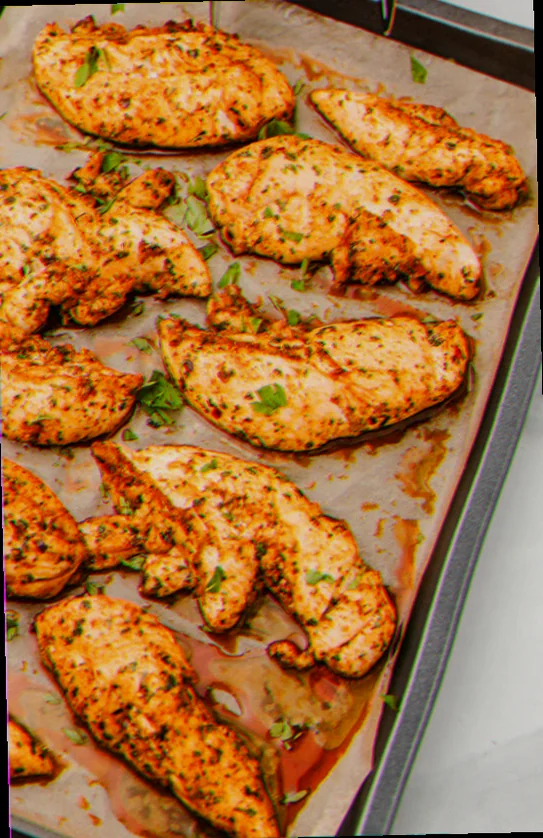
In the whirlwind of modern Australian life, where school lunches need packing, weeknight dinners are a dash, and health goals are always on the menu, mastering the art of perfectly baked chicken breast tenders is an absolute game-changer. It's no wonder chicken is Australia's favourite meat, with Australians consuming over 45 kg per person annually - making efficient, healthy cooking methods like baking tenders incredibly relevant for busy households striving for nutritious meals without the fuss.
Quick Reference: How long to bake chicken breast tenders in Australia
| Question | Answer |
|---|---|
| Who it applies to | Home cooks, busy families, meal preppers, health-conscious individuals across Australia seeking quick, healthy protein. |
| Cost range (AUD) | Chicken breast tenders typically range from $12-$20 per kg, depending on specials, brand, and whether they are free-range or organic. |
| Where to access | Major Australian supermarkets (Woolworths, Coles, Aldi), local independent butchers, and specialty food stores. |
| Key regulation or standard | Food Standards Australia New Zealand (FSANZ) mandates that poultry must reach an internal temperature of 74°C to be safe for consumption. |
| Time required | Approximately 5-10 minutes prep, 15-20 minutes baking, plus 5 minutes resting. Total: 25-35 minutes. |
Step-by-Step Process for Australians
Achieving tender, juicy baked chicken breast tenders is a straightforward process when you know the Aussie way. Follow these steps for perfect results every time, keeping food safety and local conditions in mind.
- Preheat Your Oven (Fan-Forced Advantage): For most Australian homes, a fan-forced oven is standard, offering even cooking. Preheat your fan-forced oven to 190°C (or 200°C for a conventional oven). This ensures the tenders start cooking immediately and evenly.
- Prepare Your Chicken Tenders:
- Pat the chicken tenders thoroughly dry with paper towel. This step is crucial for achieving a nice golden crust rather than steaming the chicken.
- Lightly drizzle the tenders with a good quality Australian olive oil (extra virgin is great for flavour).
- Season generously with your favourite herbs and spices. Popular choices in Australia include salt, freshly ground black pepper, garlic powder, onion powder, paprika, or a ready-made "chicken rub" from your local supermarket aisle.
- Arrange on a Baking Tray: Lay the seasoned tenders in a single layer on a baking tray lined with baking paper (a handy Australian trick for easy cleanup!). Ensure they are not overcrowded, as this can lead to steaming instead of baking. Give them a bit of breathing room, about 1-2 cm between each piece.
- Bake to Perfection: Place the tray in your preheated oven. Bake for 15-20 minutes. The exact time will depend on the thickness of your tenders and your specific oven. For thicker tenders, you might lean towards the 20-minute mark.
- Flip and Finish (Optional but Recommended): For even browning and crispness on both sides, you can flip the tenders halfway through the cooking time (around the 8-10 minute mark).
- Check for Doneness (FSANZ Compliance is Key): This is the most critical step for food safety in Australia. Using a reliable meat thermometer (easily purchased from Kmart, Big W, or kitchenware stores like House), insert it into the thickest part of the largest tender. The internal temperature must reach 74°C. If it hasn't, return them to the oven for another 2-3 minutes and recheck.
- Rest Your Chicken: Once they reach 74°C, remove the tenders from the oven and let them rest on the tray or a cutting board for 5 minutes. This allows the juices to redistribute, ensuring tender, moist chicken. Don't skip this step - it makes a huge difference to the final texture!
What You Need Before You Start
- Documents or credentials: No specific documents or credentials are required for baking chicken tenders at home in Australia.
- Budget: A pack of fresh chicken breast tenders (approx. 500g) will cost around $6-$10 on special, plus minimal costs for oil and seasoning (less than $1). Total outlay for a family meal is typically under $15.
- Time: Allocate approximately 30-35 minutes from start to finish. This includes 5-10 minutes for preparation, 15-20 minutes for baking, and 5 minutes for resting.
- Australian-specific requirement 1: A reliable, calibrated meat thermometer. Ensuring your chicken reaches the Food Standards Australia New Zealand (FSANZ) recommended internal temperature of 74°C is crucial for preventing foodborne illnesses. These are readily available at major retailers like Kmart, Big W, and kitchen appliance stores across Australia for under $20.
- Australian-specific requirement 2: Access to fresh, Australian-sourced chicken breast tenders. Look for labels like "RSPCA Approved Farming" or "Australian Chicken Meat Federation (ACMF) Approved" on packaging at your local Woolworths, Coles, or independent butcher to ensure quality and ethical sourcing.
Best Options Available in Australia
When it comes to sourcing your chicken breast tenders in Australia, you've got a few excellent options, each with its own advantages:
- Major Supermarket Fresh Tenders (e.g., Woolworths, Coles):
- Pros: Widely available, often on special (look for half-price deals), convenient pre-packaged portions, and generally good quality for everyday cooking. You can often find RSPCA Approved options here.
- Cons: May sometimes contain added brines or solutions, which can affect texture and flavour for some users. Quality can vary slightly between brands.
- Independent Local Butchers:
- Pros: Often provide superior quality, fresher product, and you can discuss sourcing with the butcher. They might cut tenders from whole breasts on demand, ensuring minimal processing. Supporting local businesses is a bonus.
- Cons: Generally higher price point than supermarket specials, and availability may vary. Requires a dedicated trip to the butcher.
- Organic or Free-Range Specialty Brands:
- Pros: Offers ethical choice with higher animal welfare standards, often perceived to have a better flavour and texture due to diet and living conditions. Brands like Macro (Woolworths), Coles Organic, or various independent organic brands.
- Cons: Significantly higher cost per kilogram. May have limited availability in smaller regional supermarkets.
Tips from Australian Experts
- Insider tip 1: "Don't overcrowd the tray, mate! For that perfect golden crisp, make sure your tenders have plenty of space on the baking tray. If they're too close, they'll steam rather than bake, resulting in soggy rather than succulent chicken. Use two trays if you need to."
- Insider tip 2: "Consider a quick marinade. Even 30 minutes in a simple marinade (think lemon juice, garlic, a splash of soy, and a bit of olive oil) can significantly boost flavour and help keep your chicken extra moist. It's a fantastic way to elevate a simple weeknight meal."
- Common shortcut: "Batch cook on Sunday. Bake a larger batch of tenders on the weekend. Once cooled, they're perfect for quick additions to salads, wraps, or as a protein boost for school and work lunches throughout the busy Aussie week. They store well in an airtight container in the fridge for 3-4 days."
- Trap to avoid: "Overcooking without a thermometer. The biggest mistake is guessing doneness, which invariably leads to dry, tough chicken. Always invest in and use a meat thermometer to ensure your tenders hit exactly 74°C internally - no more, no less - to guarantee juicy, safe results every time."
Who to Contact in Australia
While baking chicken tenders at home doesn't typically require external contact, these organisations can provide valuable information on food safety, sourcing, and health:
- Food Standards Australia New Zealand (FSANZ):
- Type of help: Official information on food safety standards, including recommended cooking temperatures for poultry. Essential for understanding why 74°C is critical.
- Website: foodstandards.gov.au
- Australian Chicken Meat Federation (ACMF):
- Type of help: Provides information on the Australian chicken meat industry, production standards, and quality assurance programs. Useful if you're curious about where your chicken comes from.
- Website: chicken.org.au
- RSPCA Australia:
- Type of help: Offers information on animal welfare standards for farmed animals, including chickens. Their "RSPCA Approved Farming Scheme" label helps consumers choose ethically sourced poultry.
- Website: rspca.org.au
- Your Local Council Environmental Health Officer:
- Type of help: For general food safety inquiries or concerns related to food handling, your