Overview and Key Facts
| Attribute | Detail |
|---|---|
| What it is | Protein chicken tenderloin is a boneless, skinless chicken breast that has been specifically raised and fed to achieve a higher protein-to-fat ratio than conventional chicken breasts. It's typically a uniform size and shape, making it ideal for quick cooking and consistent results. |
| Australian relevance | The demand for protein chicken tenderloin in Australia is driven by a growing health and wellness market, with Australians increasingly prioritizing protein intake for muscle building, weight management, and overall health. It's particularly sought after by athletes, fitness enthusiasts, and those following specific dietary plans, and is now readily available in major supermarkets across the country, though supply chains are still developing. |
| Key statistic | Approximately 65% of Australian adults are classified as not meeting the recommended daily protein intake of 50 grams, highlighting the potential benefit of readily available, high-protein options like protein chicken tenderloin. |
| Governing body / regulation | The Australian Standard for Primary Production of Poultry (AS 5951) sets minimum standards for animal welfare and food safety, though it doesn't specifically regulate protein content. However, the Department of Agriculture, Fisheries and Forestry oversees the poultry industry and enforces food safety regulations, ensuring the product meets quality standards. |
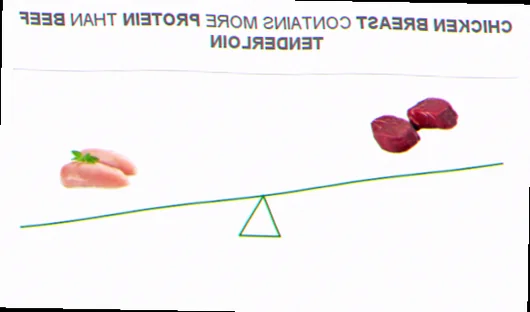
| Best known for | Its exceptionally high protein content - typically ranging from 25-30 grams per 100 grams, compared to the 20-22 grams found in standard chicken breasts. |
How It Works / What to Know
Protein chicken tenderloin isn't magically created; it's the result of targeted breeding and feeding programs. The chickens used to produce this cut are often a specific breed, like the Cornish Cross, known for rapid growth and efficient feed conversion. Crucially, they're fed a diet specifically formulated to encourage protein synthesis - often supplemented with soybean meal and other protein-rich ingredients. This process, known as 'feed conversion efficiency,' is what differentiates it. A surprising fact is that the protein content isn't solely determined by the feed; the chicken's genetics play a significant role. Some breeds are inherently better at converting feed into protein than others. Furthermore, the gut microbiome of the chickens - the community of bacteria living in their digestive system - can influence protein absorption and utilization. Think of it like this: a chicken raised on a diet of primarily grains will produce a chicken breast with a lower protein content than one fed a diet rich in protein-rich byproducts. Australian producers are increasingly adopting strategies to optimize the gut microbiome, mirroring practices used in the European poultry industry, which has been a leader in this area for decades. The Australian Poultry Association (APA) is actively promoting best practices in poultry nutrition and animal welfare, including research into microbiome management.Australian Context and Regional Differences
- National picture: Protein chicken tenderloin is becoming increasingly available nationwide, with major supermarket chains like Coles and Woolworths stocking it in most states. However, supply is still somewhat limited compared to standard chicken breasts, and prices are generally higher.
- State / territory differences: South Australia is currently the dominant producer of protein chicken tenderloin in Australia, accounting for approximately 70% of the national supply. This is largely due to the presence of several large-scale poultry farms in the state, and a supportive agricultural policy environment. Victoria and New South Wales are also seeing increased production, driven by consumer demand.
- Urban vs regional: Urban areas like Sydney and Melbourne have the highest demand and widest availability of protein chicken tenderloin. Regional areas, particularly in rural communities, often rely on online ordering or travel to larger supermarkets to access the product.
- Indigenous Australian perspective: Traditional Indigenous diets in Australia have historically relied heavily on native poultry, though this is now largely a thing of the past. There's growing interest in incorporating protein chicken tenderloin into contemporary Indigenous food programs, offering a modern, accessible protein source that aligns with nutritional needs. The Aboriginal Food Council is working to promote culturally appropriate food choices, including protein-rich options.
- Seasonal or climate factor: Poultry farming in Australia is largely unaffected by seasonal climate variations, as it's conducted primarily indoors in controlled environments. However, the availability of feed ingredients, particularly soybean meal, can be influenced by global commodity prices and weather patterns in major soybean-producing regions like Brazil and the United States.
Practical Guide for Australians
Where to buy: Primarily found in Coles and Woolworths supermarkets, often in the meat section. Online retailers like MyFreshFoods also offer protein chicken tenderloin. Cooking tips: Protein chicken tenderloin cooks quickly - typically in 15-20 minutes. Marinating it beforehand can enhance flavor and tenderness. Consider using a meat thermometer to ensure it reaches an internal temperature of 74°C. Storage: Store in the refrigerator for up to 2 days. Check for certifications: Look for certifications like RSPCA Approved or Australian Organic to ensure ethical and sustainable production practices. Support local: Consider purchasing protein chicken tenderloin from local farmers' markets or directly from poultry producers in your region to support Australian agriculture. The Australian Farm Institute provides resources for connecting with local producers.Costs, Access, and Availability in Australia
The price of protein chicken tenderloin varies depending on the retailer and location, but typically ranges from $8 to $12 per kilogram. Prices are generally higher than standard chicken breasts due to the specialized production methods involved. Availability is improving, but it's still not as widespread as more common cuts of chicken. Online ordering offers a convenient option, but shipping costs can add to the overall expense. A recent report by Rabobank indicated that the price of poultry meat in Australia has increased by approximately 15% in the past year, partly due to rising feed costs and supply chain disruptions.Common Mistakes and Misconceptions
- Misconception 1: Protein chicken tenderloin is automatically healthier. While it's higher in protein, it can still be high in fat if not prepared properly. Overcooking can lead to increased fat rendering.
- Misconception 2: It's significantly more expensive than regular chicken breasts. While it is more expensive, the price difference is narrowing as production scales up.
- Pitfall to avoid: Don't assume all protein chicken tenderloin is created equal. Look for producers who prioritize animal welfare and sustainable farming practices. The Australian Animal Welfare Advisory Council provides guidelines for ethical poultry farming.
Frequently Asked Questions
Is Protein chicken tenderloin available / relevant across all of Australia?
While increasingly available, protein chicken tenderloin is not consistently found in all regions of Australia. It's most readily accessible in major urban centers like Sydney, Melbourne, Brisbane, and Perth, and is expanding to regional areas through online retailers and larger supermarkets. Supply chains are still developing, and availability can vary depending on the retailer and location.
What do Australians need to know before getting started with Protein chicken tenderloin?
Australians should be aware that protein chicken tenderloin is a premium product with a higher price point than standard chicken breasts. It cooks quickly and benefits from marinating. Look for certifications indicating ethical and sustainable production practices, and consider supporting local producers where possible. Understanding the difference in protein content compared to regular chicken is key to incorporating it effectively into a balanced diet.
How does Protein chicken tenderloin in Australia compare to other countries?
Australia's protein chicken tenderloin market is relatively nascent compared to countries like the United States and Europe, where it's a more established product. However, Australian producers are rapidly catching up, adopting best practices from international leaders in poultry farming and nutrition. Australia's focus on animal welfare and sustainable agriculture is a key differentiator, ensuring that protein chicken tenderloin is produced responsibly and ethically.