Australian significance: Chicken is officially Australia's most popular meat, with the Australian Chicken Meat Federation (ACMF) reporting that Australians consume approximately 50 kilograms of chicken per person annually. As a premium, lean cut, chicken tenderloin has become a cornerstone of the nation's $2.8 billion chicken meat industry, driven by a domestic shift toward high-protein, low-fat "clean eating" and the rapid rise of the ready-made meal sector. This specific cut is now a vital component in the dietary strategies of health-conscious Australians seeking to meet the protein targets set by the CSIRO and national health guidelines.
At a Glance
| Dimension | Australian Data / Context |
|---|---|
| Market size or prevalence | Chicken accounts for nearly 50% of all meat consumed in Australia. |
| Key Australian players | Inghams, Steggles, Tysons (Australia), and major retailers Coles and Woolworths. |
| Current trend | Surge in "air-fryer" recipes and high-protein "prep" meals (e.g., My Muscle Chef). |
| Regulatory framework | Food Standards Australia New Zealand (FSANZ) and RSPCA Approved standards. |
| Outlook (next 5 years) | Continued dominance over red meat due to price-point resilience and health trends. |
The Australian Landscape
In Australia, the chicken tenderloin-the small, delicate muscle located beneath the breast-has transitioned from a niche butcher's cut to a mainstream supermarket staple. Historically, Australians consumed whole birds, but the last two decades have seen a dramatic shift toward "portioning." Today, the tenderloin is positioned as a premium alternative to the standard breast fillet, prized for its superior moisture retention and ease of cooking. This evolution is particularly evident in urban hubs like Sydney and Melbourne, where the "time-poor" professional demographic seeks lean protein that requires minimal preparation.
The Australian landscape is also defined by a high level of trust in local production. Unlike many other nations, Australia does not import raw chicken meat for retail; virtually every chicken tenderloin found in a domestic supermarket was hatched, raised, and processed within Australia. This closed-loop system, regulated by Food Standards Australia New Zealand (FSANZ), ensures that the protein quality remains consistent, free from added hormones (a practice banned in Australia since the 1960s), and adheres to some of the world's strictest biosecurity protocols.
Key Factors and Influences
- High Biological Value (HBV) Protein: Australian dietitians emphasise chicken tenderloin because it provides all nine essential amino acids. According to Dietitians Australia, the protein in tenderloin is highly bioavailable, making it more efficient for muscle repair than many plant-based alternatives currently trending in the domestic market.
- The "Air Fryer" Phenomenon: A significant cultural driver in Australia has been the explosion of air fryer usage. Tenderloins, due to their uniform shape and lean profile, have become the primary protein choice for "healthy" home-cooked versions of takeaway classics, influencing supermarket stocking levels nationwide.
- Animal Welfare Standards: Australian consumers are increasingly motivated by "RSPCA Approved" and "Free Range" certifications. The protein quality is often perceived by Australians to be higher in birds raised under these standards, influencing purchasing decisions in premium tiers at retailers like Harris Farm or Coles.
- Cost-of-Living Pressures: While tenderloin is a premium cut, it remains more cost-effective per gram of protein than many cuts of Australian beef or lamb. As inflation impacts household budgets, chicken tenderloin serves as a "middle-ground" luxury protein that maintains health standards without the price tag of wagyu or organic red meats.
- Ready-to-Eat (RTE) Market Growth: The Australian ready-meal market, led by brands like Youfoodz and My Muscle Chef, relies heavily on chicken tenderloin for its macro-balanced meals. These companies leverage the cut's consistent protein-to-weight ratio to meet strict nutritional labelling requirements.
Who Is Affected and How
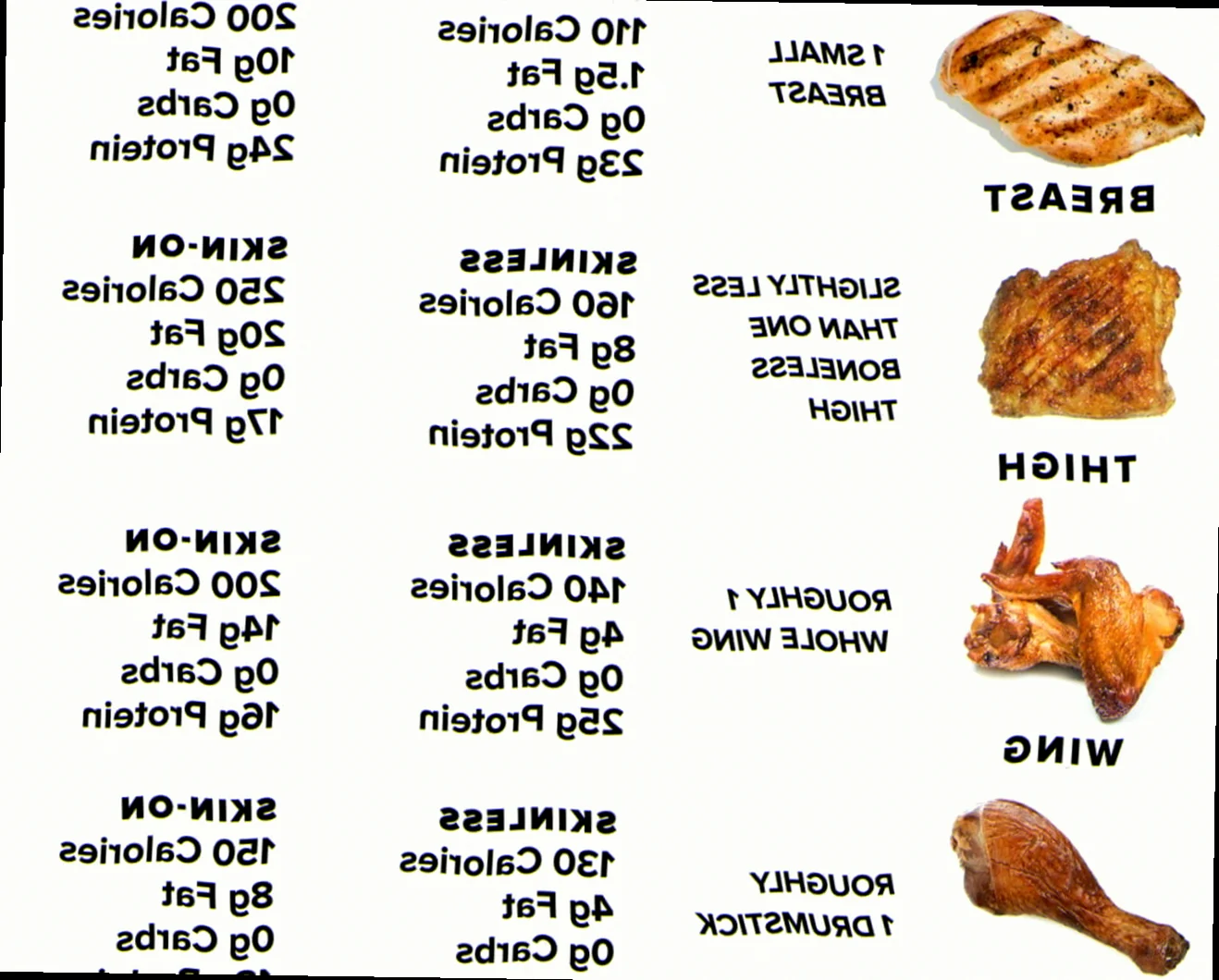
The consumption of chicken tenderloin protein impacts various Australian demographics in distinct ways. For athletes and the fitness community, particularly those engaged in high-intensity training like F45 or CrossFit, the tenderloin is a primary tool for "hitting macros." Its high protein-to-calorie ratio (roughly 23g of protein per 100g) allows for muscle hypertrophy without excessive caloric intake.
Busy Australian families are also heavily impacted. As parents navigate the "after-school rush," the tenderloin's quick cooking time compared to the bulkier breast fillet makes it a functional necessity. Geographically, while urban Australians lean toward pre-packaged tenderloins, regional and rural communities often access these cuts through local independent butchers, where the emphasis is on the "paddock-to-plate" traceability of the protein.
Finally, the ageing Australian population is an emerging group. Geriatric nutritionists often recommend chicken tenderloin because the protein is easier to chew and digest than fibrous red meats, helping to combat sarcopenia (muscle loss) in elderly Australians while remaining gentle on the digestive system.
Challenges and Opportunities in Australia
- Challenge 1: Supply Chain Sensitivity: Australia's poultry industry is susceptible to localised disruptions, such as the recent avian influenza outbreaks in parts of Victoria. While not affecting meat safety, such events can cause price volatility for premium cuts like tenderloins.
- Challenge 2: Competition from Lab-Grown and Plant Proteins: As Australian startups like Vow and others explore alternative proteins, the traditional poultry industry faces a long-term challenge in maintaining its "health halo" among younger, environmentally conscious Gen Z Australians.
- Opportunity 1: Value-Added Exports: There is a significant opportunity for Australia to export premium, high-welfare chicken tenderloins to the burgeoning middle-class markets in South East Asia, where "Australian Grown" is a powerful trust mark.
- Opportunity 2: Functional Food Integration: There is potential for the Australian industry to develop "enhanced" tenderloins, perhaps enriched with Omega-3 or other nutrients through specific feed programs, catering to the sophisticated Australian bio-hacking and wellness market.
What Experts and Authorities Say
The National Health and Medical Research Council (NHMRC), through the Australian Dietary Guidelines, categorises chicken in the "Lean Meat and Poultry" group, recommending it as a vital source of protein, vitamin B12, and zinc. Experts from the CSIRO have frequently highlighted the importance of high-protein diets for weight management in their "Total Wellbeing Diet" publications, specifically naming skinless chicken portions like the tenderloin as an ideal protein source due to its low saturated fat content.
Furthermore, Dr. Vivien Kite, Executive Director of the Australian Chicken Meat Federation, has noted that the industry's focus on efficiency and bird health directly translates to the nutritional density of the meat. The consensus among Australian nutritional authorities is that chicken tenderloin represents one of the most efficient ways for the average Australian to meet their Daily Nutrient Reference Values (NRVs) for protein without exceeding energy requirements.
Analytical FAQ
Why is Protein in chicken tenderloin particularly important (or challenging) in Australia compared to other countries?
Australia has a unique "fitness-first" culture combined with a high cost of living. Unlike the US, where hormone use in poultry is a common consumer concern, the Australian challenge is not about "cleanliness" (as hormones are banned here) but about "provenance" and "welfare." The importance of tenderloin protein in Australia is tied to our strict biosecurity; we don't import chicken, so the protein profile is entirely dependent on Australian grain and farming practices, making it a truly "sovereign" protein source.
How has the situation with Protein in chicken tenderloin in Australia changed in recent years?
The primary change has been the "commoditisation of convenience." Five years ago, tenderloins were mostly sold raw. Today, the "protein-on-the-go" trend has seen a massive increase in pre-marinated, pre-cooked, and sliced tenderloin products in Australian delis and supermarkets. This is a direct response to the "macro-tracking" culture where Australians want to know exactly how many grams of protein are in their lunch without needing to weigh or cook the meat themselves.
What should Australians do in response to Protein in chicken tenderloin?
Australians should look beyond the "protein" label and consider the "protein density." When purchasing, checking for the Health Star Rating (tenderloins typically earn a 5-star rating) and the "Product of Australia" logo ensures they are getting the high-quality amino acid profile discussed by experts. Additionally, consumers should be mindful of cooking methods; overcooking tenderloins can denature the protein texture, so using quick, high-heat methods common in Australian stir-frys or BBQs is recommended to maintain nutritional integrity.