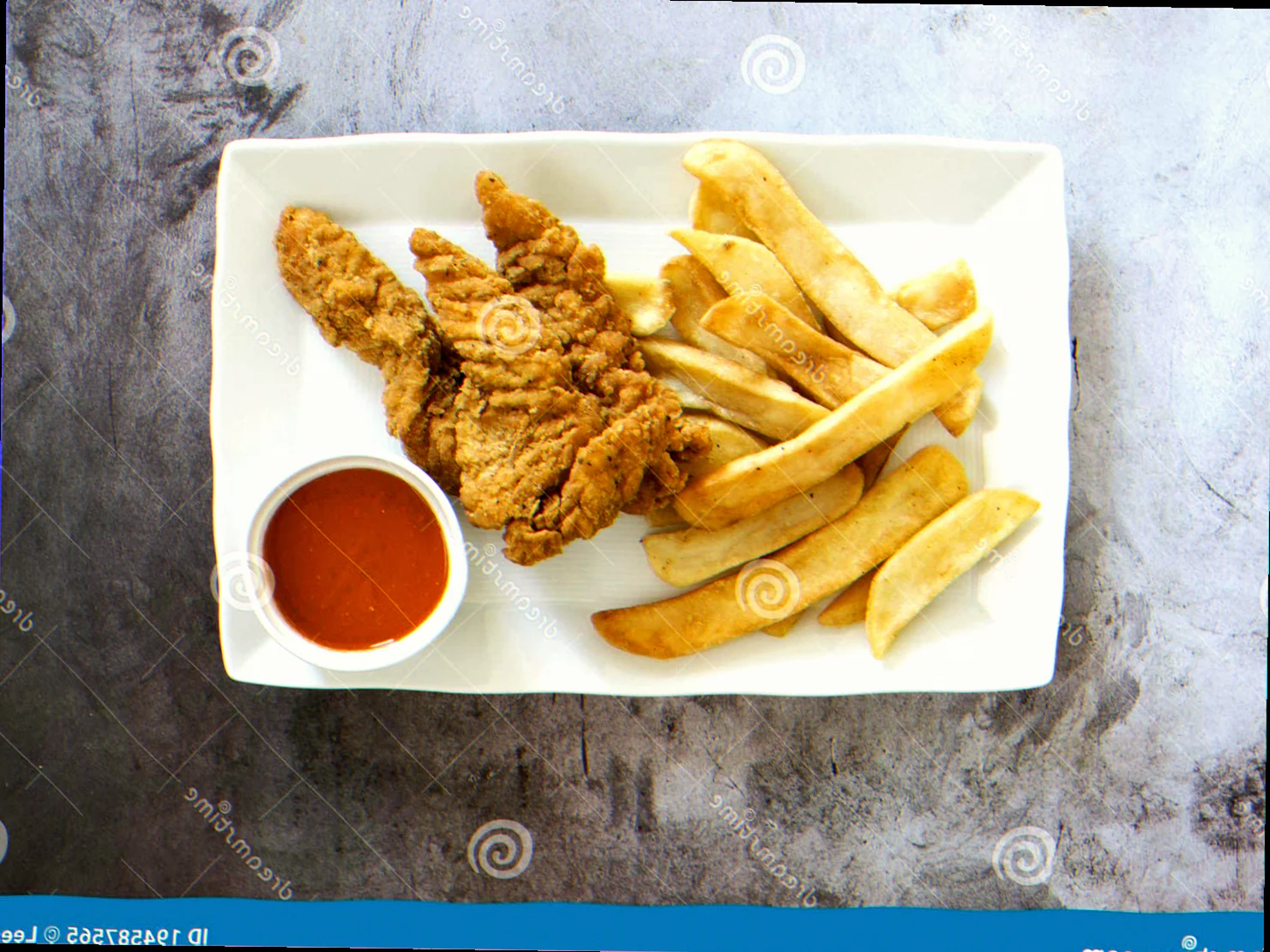
Australian significance: Chicken tenders have exploded in popularity across Australia, becoming a staple takeaway and casual dining option. Recent data from Roy Morgan shows that over 3.8 million Australians (16.8%) consume chicken tenders at least once a month, a figure that has increased by 15% in the last two years. This growth is fuelled by the increasing demand for convenient, family-friendly meal options and the proliferation of American-style fast-casual restaurants. A key trend is the ‘premiumisation' of tenders, with restaurants offering gourmet sauces and unique side combinations, moving beyond the traditional BBQ sauce and chips.
At a Glance
| Dimension | Australian Data / Context |
|---|---|
| Market size or prevalence | 3.8 million Australians (16.8%) consume chicken tenders monthly (Roy Morgan, 2024) |
| Key Australian players | Red Rooster, KFC, Nando's, Grill'd, plus numerous independent restaurants and takeaway shops. |
| Current trend | Premiumisation of tenders - gourmet sauces, unique sides, and higher-quality chicken. |
| Regulatory framework | Food Standards Australia New Zealand (FSANZ) regulations regarding poultry processing and food safety. |
| Outlook (next 5 years) | Continued growth, with a focus on healthier options and sustainable sourcing. Projected 8% annual growth in the fast-casual chicken sector. |
The Australian Landscape
The consumption of chicken tenders in Australia mirrors a global trend, but with distinct local characteristics. Historically, chicken was a relatively expensive meat in Australia, reserved for special occasions. However, advancements in poultry farming and processing, coupled with increased imports, have made chicken - and specifically, convenient cuts like tenders - incredibly affordable and accessible. The rise of American-style fast food and casual dining chains in the 1980s and 90s, like KFC and subsequently Nando's, initially introduced tenders to a wider Australian audience. Today, they are ubiquitous, found in pubs, restaurants, food courts, and takeaway shops across all Australian states and territories. Queensland and New South Wales, with their warmer climates and outdoor dining culture, demonstrate particularly high consumption rates. The demographic most frequently consuming tenders are families with children and young adults (18-34), seeking quick and convenient meal solutions. The industry is heavily influenced by supply chain dynamics, with major poultry producers like Baiada Poultry and Steggles playing a crucial role.
Key Factors and Influences
- Factor 1: Australian Lifestyle & Convenience: Australians increasingly value convenience due to busy work schedules and family commitments. Chicken tenders offer a quick, easy, and relatively affordable meal option, fitting seamlessly into this lifestyle.
- Factor 2: Multiculturalism & Global Food Trends: Australia's multicultural population has embraced global food trends, including American-style fried chicken. This has driven demand for diverse flavour profiles and cooking styles associated with tenders.
- Factor 3: Food Safety Regulations (FSANZ): Food Standards Australia New Zealand (FSANZ) sets stringent standards for poultry processing and food safety, ensuring the quality and safety of chicken tenders sold in Australia. Compliance with these regulations is a key factor for all producers and retailers.
- Factor 4: Regional Variations in Taste: While nationally popular, preferences for sauces and sides vary regionally. For example, South Australia tends towards spicier sauces, while Victoria favours more traditional flavours.
- Factor 5: Economic Factors & Affordability: Chicken tenders remain a relatively affordable protein source compared to beef or lamb, making them attractive to budget-conscious consumers, particularly during periods of economic uncertainty.
Who Is Affected and How
The impact of chicken tender consumption extends across various Australian demographics. Families with children are heavily targeted by marketing campaigns and benefit from the convenience and affordability. Young adults (18-34) view tenders as a social food, often consumed during gatherings with friends. Lower-income households rely on tenders as a cost-effective protein source. Poultry farmers and processors are directly impacted by demand, with increased consumption driving production. Restaurant and takeaway owners benefit from the high profit margins associated with tenders. However, health-conscious consumers may be concerned about the nutritional value of traditionally prepared tenders, leading to a demand for healthier alternatives. Rural communities may have limited access to diverse tender options compared to urban areas.
Challenges and Opportunities in Australia
- Challenge 1: Health Concerns & Nutritional Value: Traditional chicken tenders are often high in fat and sodium, raising health concerns among consumers. Addressing this requires developing healthier cooking methods and offering more nutritious side options.
- Challenge 2: Supply Chain Vulnerabilities: Australia's poultry supply chain can be vulnerable to disruptions caused by disease outbreaks (like avian influenza) or logistical issues, potentially leading to price increases and shortages.
- Opportunity 1: Premiumisation & Gourmet Options: The growing demand for premium food experiences presents an opportunity to offer gourmet tenders with unique flavour combinations, high-quality ingredients, and innovative sauces.
- Opportunity 2: Sustainable Sourcing & Ethical Production: Increasing consumer awareness of ethical and environmental issues creates an opportunity for producers to adopt sustainable farming practices and transparent supply chains, appealing to environmentally conscious consumers.
What Experts and Authorities Say
According to Dr. Clare Collins, a leading nutrition expert and Professor of Dietetics at the University of Newcastle, 'While chicken tenders can be a convenient source of protein, it's crucial to be mindful of portion sizes and cooking methods. Opting for baked or grilled tenders over fried versions, and pairing them with a variety of vegetables and whole grains, can significantly improve their nutritional profile.' Food Standards Australia New Zealand (FSANZ) emphasizes the importance of proper food handling and cooking temperatures to ensure the safety of poultry products. They provide guidelines on safe internal cooking temperatures for chicken to eliminate harmful bacteria. The Australian Chicken Meat Federation (ACMF) actively promotes sustainable poultry production practices and advocates for industry standards that prioritize animal welfare and environmental responsibility.
Analytical FAQ
Why is What goes good with chicken tenders particularly important (or challenging) in Australia compared to other countries?
Australia's geographic isolation and relatively small population create unique logistical challenges for the poultry industry. Maintaining a consistent and affordable supply of chicken tenders requires efficient supply chains and careful management of import/export dynamics. Furthermore, Australia's strong emphasis on outdoor dining and BBQ culture influences the types of sides and sauces preferred, differing from indoor dining norms in many other countries. The Australian consumer also demonstrates a higher willingness to pay for premium, ethically sourced products compared to some international markets.
How has the situation with What goes good with chicken tenders in Australia changed in recent years?
The market has shifted dramatically towards premiumisation. Five years ago, tenders were largely seen as a basic takeaway option. Now, restaurants are actively competing on quality, offering diverse sauces (from peri-peri to Korean BBQ), and pairing tenders with gourmet sides like sweet potato fries, coleslaw with unique dressings, and even salads. This trend is driven by social media influence, with visually appealing food presentations becoming increasingly important. The COVID-19 pandemic also accelerated the demand for takeaway and delivery options, further boosting tender consumption.
What should Australians do in response to What goes good with chicken tenders?
Australians should be mindful of their consumption habits and prioritize healthier options. When ordering tenders, choose baked or grilled versions over fried. Opt for sides like salads, steamed vegetables, or whole-grain alternatives to chips. Support restaurants and producers that prioritize sustainable sourcing and ethical production practices. Consumers can also explore making their own tenders at home, allowing for greater control over ingredients and cooking methods. Finally, be aware of portion sizes and enjoy tenders as part of a balanced diet.