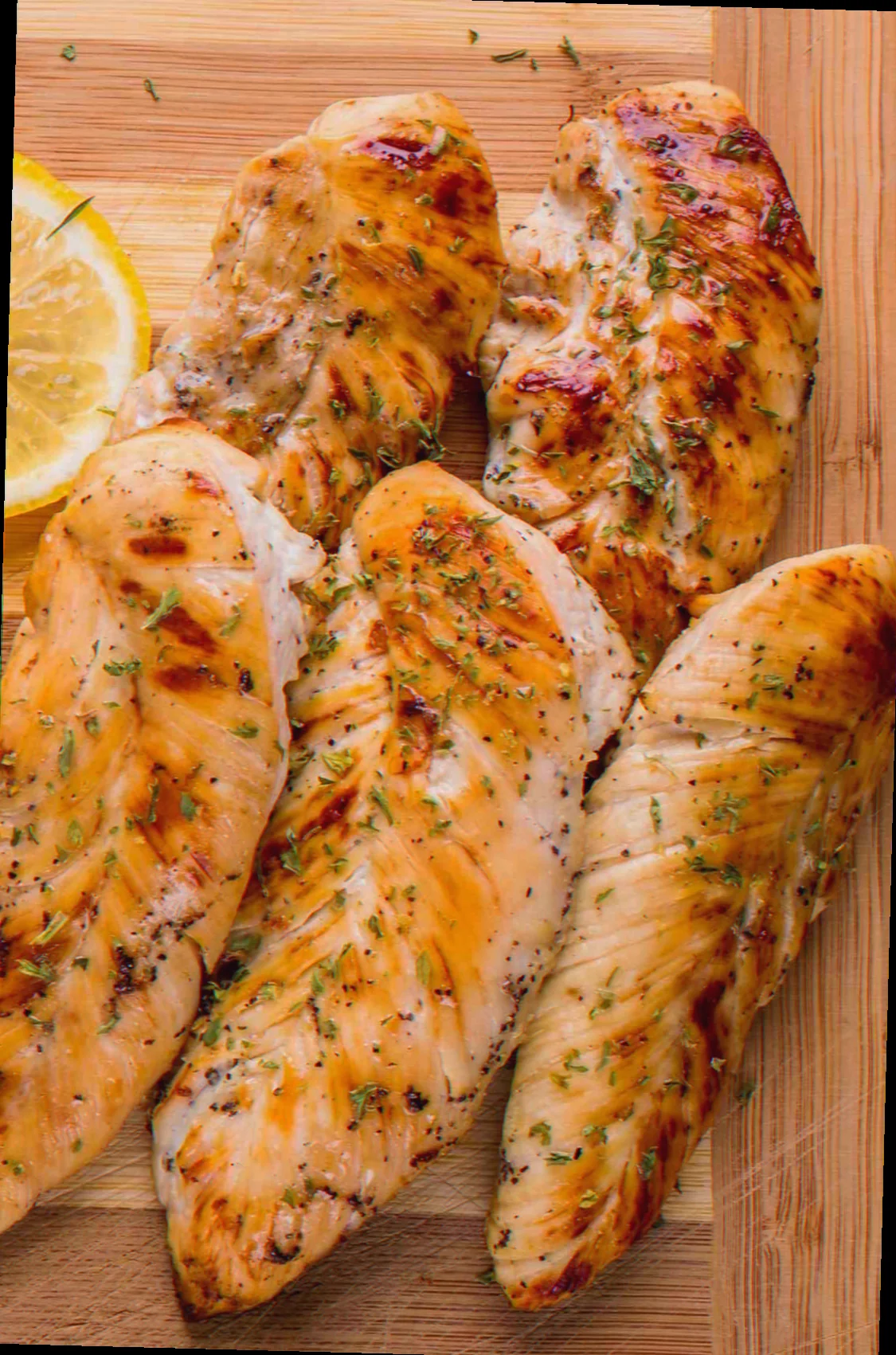
Picture this: it's 6 PM, the kids are rattling the pantry, and you've just pulled a pack of chicken tenderloins from the fridge, mentally calculating if they'll be cooked through before the nightly news. While many Aussies instinctively reach for the frying pan, thinking it's quicker, the oven is often the unsung hero for perfectly tender, evenly cooked chicken, minus the splatter. But how long exactly should those tenderloins bake to be juicy, safe, and ready for a weeknight dinner, without turning into rubber?
The Basics: What Every Australian Should Know About How long to cook chicken tenderloins in the oven
| What | The Australian reality |
|---|---|
| Plain English definition | The optimal duration and temperature required to cook chicken tenderloins in an oven, ensuring they are safe to eat (internal temperature of 74°C or 165°F) while remaining moist and flavourful. It's about achieving that perfect balance between safety and succulence, often without the fuss of pan-frying. |
| Who it affects most | Busy Australian parents juggling school runs and dinner prep, health-conscious individuals looking for lean protein options, and anyone seeking a fuss-free, reliable method for a quick weeknight meal. From city apartments to regional homesteads, chicken tenderloins are a staple. |
| The most surprising fact | Many Australians habitually overcook chicken tenderloins, driven by an understandable fear of food poisoning. However, this often results in dry, unappetising meat. A quick-read meat thermometer, not guesswork, is your secret weapon for consistently perfect, juicy chicken, proving that less time can often mean better results. |
| The number you need to know | For most standard-sized tenderloins (around 30-40g each), aim for 15-20 minutes at 200°C (180°C fan-forced). Always verify with a meat thermometer, ensuring it reads 74°C in the thickest part. |
| The bottom line | Stop guessing and get a meat thermometer. It's the most reliable way to ensure your oven-baked chicken tenderloins are both safe and delightfully tender every single time. |
The Australian Story Behind How long to cook chicken tenderloins in the oven
The humble chicken tenderloin has become an indispensable part of the Australian culinary landscape, a journey that mirrors our shift towards convenience and health-conscious eating. Decades ago, whole roasted chickens or larger cuts dominated dinner tables. However, as Australian households became busier, the demand for quick, versatile protein sources skyrocketed. Major supermarkets like Coles and Woolworths started heavily promoting pre-portioned cuts, with chicken tenderloins emerging as a clear favourite.
This rise wasn't just about speed; it was also about perception. Chicken was increasingly seen as a leaner, more affordable alternative to beef and lamb. The tenderloin, specifically, offered a blank canvas for various cuisines - from quick stir-fries and salads to schnitzels and skewers for the backyard barbecue. The oven, often overlooked for these smaller cuts in favour of the frying pan, gradually gained traction as Australians realised its potential for hands-off, consistent cooking. Food blogs, like those from Taste.com.au and Delicious.com.au, began featuring countless recipes where oven-baking tenderloins was the hero method, cementing its place in the modern Aussie kitchen.
Real Australian Experiences
- Scenario 1: Meet Sarah, a busy mum of two in Bondi. After a long day teaching at the local primary school, she needs dinner on the table for her hungry family by 6:30 PM. She pulls a tray of tenderloins from the fridge, tosses them with a bit of olive oil and a sprinkle of a Maggi seasoning mix, and slides them into her preheated oven. Her aim? Perfectly cooked, moist chicken that she can shred into wraps or serve with a quick salad, all while helping her kids with their homework. Knowing the precise cooking time for the oven allows her to multitask without constantly checking the pan.
- Scenario 2: Mark, a fitness enthusiast from Perth, meal preps his lunches for the week every Sunday. He bakes a large batch of plain chicken tenderloins, knowing they'll be a lean, high-protein addition to his daily salads and wraps. He often uses a simple marinade of lemon, garlic, and herbs before baking. For Mark, the oven is critical because it allows him to cook multiple tenderloins evenly and consistently, without the need for constant flipping or risking uneven cooking that can happen in a frying pan when batch cooking.
- Regional variation: For families on a cattle station in the Northern Territory, access to fresh produce can be limited, and reliance on frozen meats is common. An old, often uncalibrated oven might be the primary cooking appliance. Here, understanding the general guidelines for tenderloin cooking is crucial, but adaptability is key. They might cook slightly longer or need a more vigilant check with a thermometer, as oven temperatures can fluctuate wildly. In contrast, a metro apartment dweller might have a brand-new, fan-forced oven with precise controls, making consistent results far easier to achieve.
- Generational difference: Older Australians, who grew up with traditional cooking methods, might initially default to pan-frying tenderloins, a technique passed down through generations. They might remember their mothers cooking everything on the stovetop. Younger Australians, however, are often more influenced by online recipe videos, health trends, and the 'set and forget' convenience of oven baking or air frying. They are more likely to embrace a meat thermometer and precise timing, viewing it as a smart, efficient way to cook without sacrificing quality.
Myth-Busting: What Australians Get Wrong About How long to cook chicken tenderloins in the oven
Myth 1: "You have to cook chicken until it's completely dry and almost rubbery to be safe." Truth: This common misconception, born from a valid fear of foodborne illness, leads to countless plates of overcooked, unappetising chicken across Australia. The truth is, chicken is safe when it reaches an internal temperature of 74°C (165°F). At this temperature, the harmful bacteria are destroyed, regardless of whether the meat is bone-dry or still wonderfully juicy. A meat thermometer is your absolute best friend here; it tells you the scientific truth, freeing you from the need to incinerate your dinner.
Myth 2: "Packet instructions are always gospel, no need to check." Truth: While packaging provides a useful starting point, it's a guide, not an absolute rule. Ovens vary wildly in their actual temperature compared to their dial settings - some run hot, others cool. The thickness of your particular batch of tenderloins can also differ, as can their starting temperature (straight from the fridge versus rested slightly at room temperature). Relying solely on a packet time without accounting for these variables is a common mistake that can lead to inconsistent results, from undercooked to overcooked. Always use the packet as a suggestion, but let a thermometer confirm the doneness.
Myth 3: "Oven baking takes too long; pan-frying is always quicker and easier for tender