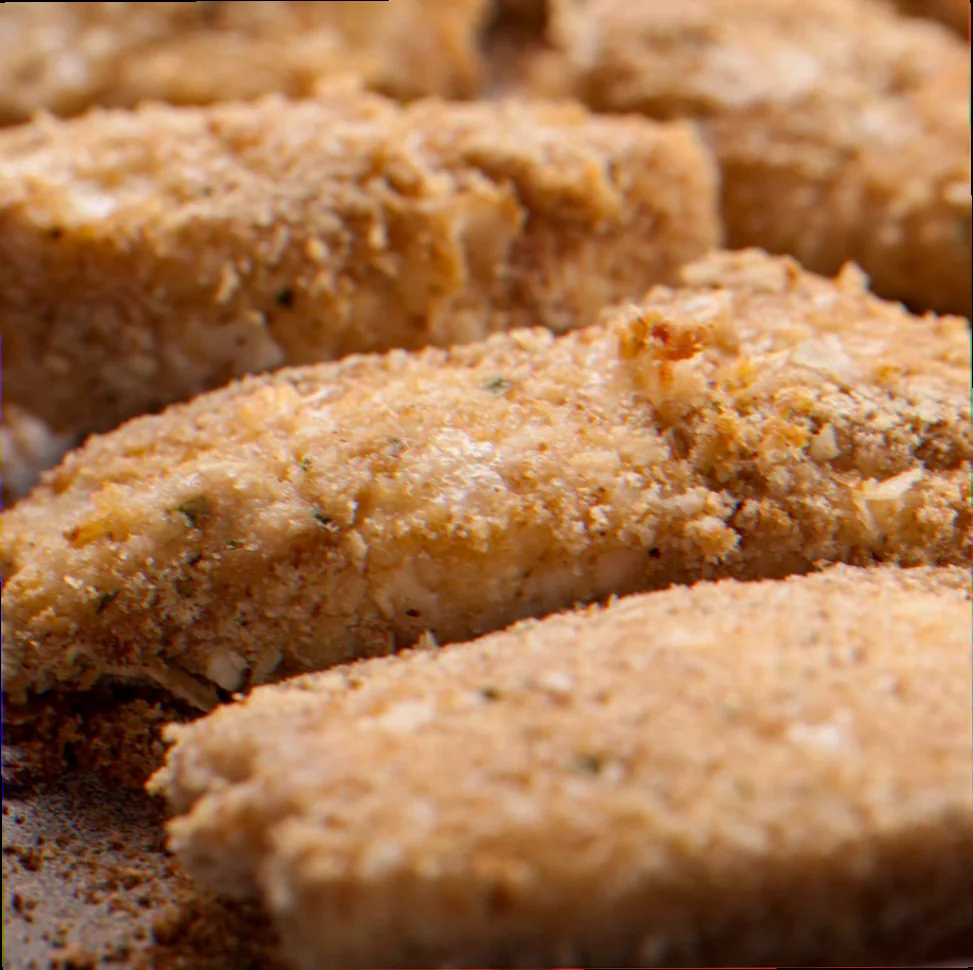
Chicken fingers, often known as chicken tenders or strips in Australia, are a popular menu item, particularly among children and in casual dining. While they offer a convenient source of protein, their healthiness is significantly impacted by processing, breading, and cooking methods. Typically high in saturated fat, sodium, and calories due to deep-frying and added ingredients, they are generally not considered a healthy choice for regular consumption and should be enjoyed in moderation as part of a balanced diet.
Overview and Key Facts
| Attribute | Detail |
|---|---|
| What it is | Pieces of chicken breast or tenderloin, often reformed, coated in a seasoned breading or batter, and typically deep-fried until crispy. |
| Australian relevance | A ubiquitous item in Australian supermarkets (frozen), fast-food chains (e.g., KFC, McDonald's), pubs, clubs, and school canteens. Often a staple in kids' meals. |
| Key statistic | A typical 150g serving (approx. 3-4 pieces) of commercially prepared, deep-fried chicken fingers can contain over 600mg of sodium and 25g of fat, representing roughly 30% of an average adult's recommended daily sodium intake and over 35% of their daily fat intake. |
| Governing body / regulation | Food Standards Australia New Zealand (FSANZ) sets standards for food safety, labelling, and composition. The voluntary Health Star Rating system provides front-of-pack nutritional guidance. |
| Best known for | Convenience, appealing taste, and being a universally accepted protein option, despite often being high in unhealthy fats and sodium. |
How It Works / What to Know
The core concept of a chicken finger is lean chicken meat, but its nutritional profile is drastically altered by the preparation process. The chicken is often processed, minced, or coated in a batter and breading that can absorb significant amounts of oil during frying. This results in a product with a much higher calorie, fat (especially saturated and sometimes trans fats), and sodium content than plain chicken breast. The breading itself often contains refined flours and sometimes added sugars, contributing to the overall energy density without adding much in the way of beneficial nutrients like fibre.
What surprises many Australians is that even when made from what appears to be whole chicken tenderloins, the pre-packaged, crumbed varieties found in supermarket freezers can still be high in sodium and unhealthy fats due to the breading ingredients and the type of oil they are designed to be cooked in. Some commercially prepared chicken fingers may also contain food additives, stabilisers, and flavour enhancers. The "health halo" effect often leads consumers to perceive chicken fingers as a healthier fast-food option because they contain chicken, a lean protein, overlooking the significant caloric and fat contribution from the batter, oil, and processing.
Australian Context and Regional Differences
- National picture: Chicken fingers are a nationwide phenomenon in Australia. They're a common sight in supermarket freezers from Woolworths to IGA, on the menus of major fast-food chains, and as an easy option in pubs and clubs right across the country. Their prevalence stems from their convenience and broad appeal, particularly for families looking for quick meal solutions.
- State / territory differences: While the product itself remains largely consistent, variations can be seen in school canteen guidelines across states and territories. For instance, some states like New South Wales and Victoria have "traffic light" systems (green, amber, red) for categorising food items, which would typically place deep-fried chicken fingers in the 'red' category, limiting their availability in school canteens to special occasions or removing them entirely.
- Urban vs regional: Chicken fingers are equally accessible in urban centres and regional towns. Fast-food outlets are widespread, and supermarkets stock a similar range of frozen convenience foods regardless of location. In some remote Indigenous communities, where access to fresh, healthy produce can be limited and more expensive, processed and shelf-stable foods like frozen chicken fingers might form a more significant part of the diet, presenting additional public health challenges.
- Indigenous Australian perspective: While not a traditional food, the availability and affordability of processed foods like chicken fingers can impact dietary choices within Indigenous communities. Addressing health disparities often involves improving access to nutritious, fresh foods and promoting traditional foodways, contrasting with the prevalence of processed, energy-dense options.
- Seasonal or climate factor: Australia's diverse climate doesn't directly influence the consumption of chicken fingers, but their status as a quick, easy-to-prepare meal makes them appealing year-round, regardless of whether it's a scorching summer day in Perth or a chilly winter evening in Hobart.
Practical Guide for Australians
For Australians aiming to make healthier dietary choices, navigating chicken fingers involves a few practical steps. Firstly, always check the Nutritional Information Panel (NIP) and the Health Star Rating (HSR) on packaged supermarket varieties. Aim for products with higher HSRs (4 stars or more), indicating lower levels of saturated fat, sodium, and sometimes higher fibre. Secondly, preparation method is key: baking or air-frying chicken fingers at home drastically reduces the fat content compared to deep-frying. Thirdly, consider making your own from scratch using lean chicken breast, a light wholemeal crumb (e.g., Panko breadcrumbs), and herbs and spices for flavour, baked in the oven. When ordering out, look for grilled chicken options instead of crumbed or battered, and always pair chicken fingers with a generous serving of fresh salad or steamed vegetables to boost nutrient intake and fibre.
Costs, Access, and Availability in Australia
Chicken fingers are highly accessible and generally affordable across Australia. A 500g-1kg pack of frozen chicken tenders can typically be purchased from major supermarkets like Coles or Woolworths for around AUD $8 to $15, making them a budget-friendly option for many families. Fast-food restaurants offer individual serves or meal deals, usually ranging from AUD $5 to $12. Their widespread availability in almost every grocery store, convenience store, fast-food outlet, and pub makes them one of the most accessible processed food items. The primary barrier to healthy eating regarding chicken fingers isn't availability or cost, but rather the nutritional trade-off. Their affordability and ease of preparation can inadvertently lead to over-reliance on a less nutritious food option, especially for busy households or those on a tighter budget, contributing to higher intakes of unhealthy fats and sodium.
Common Mistakes and Misconceptions
- Misconception 1: "It's chicken, so it's a healthy source of protein." Many Australians incorrectly assume that because chicken is a lean protein, any product containing chicken must be inherently healthy. The reality is that the processing, breading, and cooking method (deep-frying) transform chicken fingers into an energy-dense, high-fat, high-sodium food, often outweighing the benefits of the protein content.
- Misconception 2: "Homemade chicken fingers are always healthy." While making them at home offers more control over ingredients, if you deep-fry them in unhealthy oils and use white breadcrumbs with added salt, the nutritional improvement might be minimal. The key to healthier homemade versions lies in using lean chicken, wholemeal or low-sodium breading, and baking or air-frying.
- Pitfall to avoid: Over-relying on chicken fingers as a quick meal solution for children. While convenient, consistently serving them can establish unhealthy eating habits and contribute to a diet lacking in essential nutrients. The Australian Dietary Guidelines recommend limiting intake of foods high in saturated fat, added salt, and added sugars, and chicken fingers often fall into this category.
Frequently Asked Questions
Is Are chicken fingers healthy available / relevant across all of Australia?
Yes, chicken fingers are incredibly relevant and available across all of Australia, from metropolitan centres like Sydney and Melbourne to remote regional towns. They are a staple